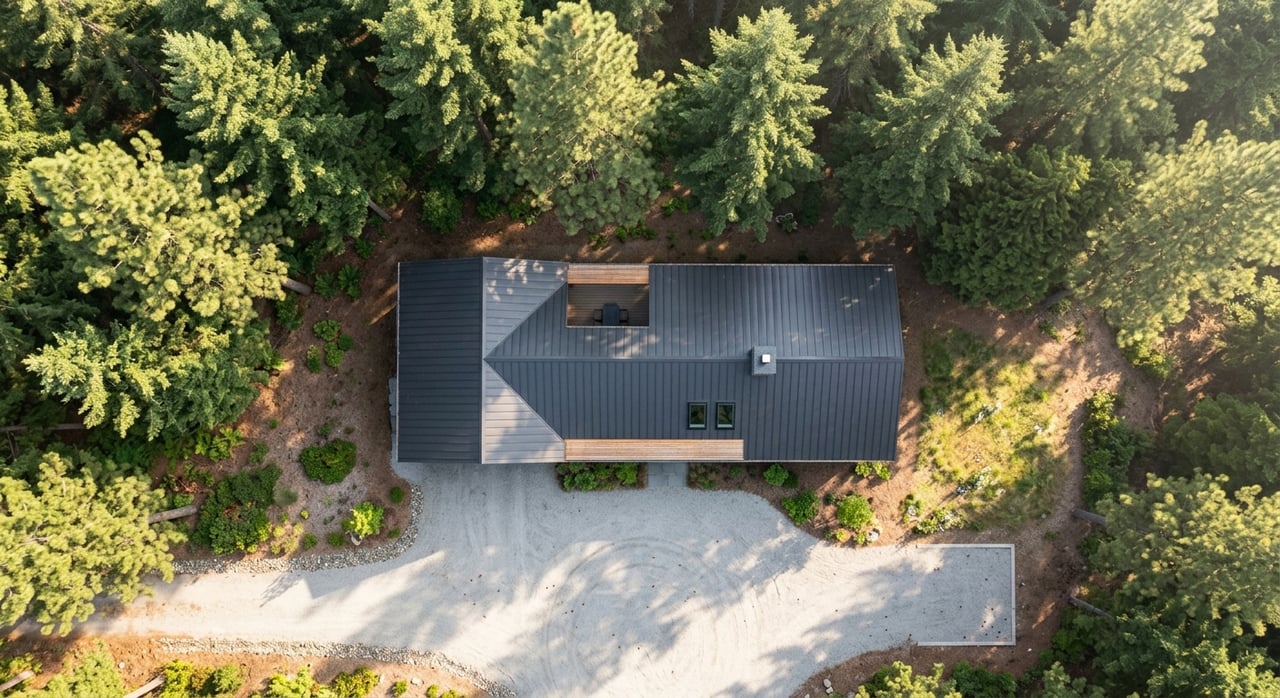
Dreaming about a custom home near Athol? Buying land can feel exciting right up until you realize that one parcel can be very different from the next. If you want more space, a rural setting, and room to build something that fits your life, it helps to understand the local rules before you make an offer. This guide will walk you through the key steps, questions, and local factors that matter when buying land and building near Athol. Let’s dive in.
Why location details matter near Athol
Near Athol, the first step is not just finding a beautiful piece of land. You also need to know whether the parcel is inside Athol city limits, in the city’s area of impact, or in unincorporated Kootenai County. That matters because the zoning rules and permit process can change depending on the parcel.
Athol is in northern Kootenai County, about 25 miles south of Coeur d’Alene and 26 miles north of Sandpoint. For many buyers, that location offers a strong mix of open space and access to larger nearby communities. Still, a great setting does not replace parcel-level due diligence.
Start with parcel-level due diligence
When you buy land near Athol, it helps to think beyond the listing photos. You are not just buying acreage. You are buying a set of legal, physical, and practical conditions that affect whether and how you can build.
Check zoning first
Kootenai County has multiple zoning classifications, and each one can have different lot-size and setback rules. For example, the county’s Rural zone allows rural residential uses and agricultural pursuits, with a minimum lot size of five acres.
That does not mean every parcel near Athol will work the same way. Before assuming a home, shop, driveway, or other improvement will fit, you need to verify the exact zoning for that specific property.
Confirm legal access
One of the biggest land-buyer mistakes is focusing on physical access without confirming legal access. County code says every residential lot must have access from a public or private road.
If the parcel is reached by a private road or by adjacent private property under different ownership, the county site-plan rules specifically note that an access easement is required. In simple terms, if you cannot prove legal access, your plans to build could hit a major roadblock.
Review the whole site, not just the homesite
County site-plan rules require more than a rough sketch. The full parcel, easements, utilities, roads, driveways, drainage features, slopes, disturbed areas, and flood zones need to be shown.
The driveway location matters too, especially when the first structure is being added to a parcel. That means your ideal home placement has to work with the property’s real-world layout, not just your vision board.
Understand land-use compatibility
A quiet rural setting can be a big part of Athol’s appeal. But in Kootenai County, land-use compatibility matters just as much as scenery.
The county notes that residential development is moving closer to agricultural, timber, and mixed ag-timber operations. That is one reason the county publishes a Good Neighbor Guide. If you are buying land near Athol, it is smart to understand what surrounds the parcel today and what kinds of uses may continue nearby.
This is not necessarily a negative. It is simply part of buying in a rural or semi-rural area. The key is knowing what to expect so you can choose a property that fits your comfort level and long-term plans.
Know the permit stack before closing
A common misconception is that once you buy the land, you can quickly move into construction. In reality, building near Athol often involves several layers of approval.
Kootenai County allows building permits to be applied for, paid for, and issued through its iMS system, with electronic submittal required. The county also notes that review time depends heavily on how complete and accurate the application is, and incomplete applications can be rejected.
The county permit is only one piece
For a new home, you will usually need a full plan package rather than a simple over-the-counter approval. The county’s residential guide also says outside approvals are often required before a permit can be issued.
Those outside approvals may include Panhandle Health District, along with the relevant fire and highway districts. That means your building timeline depends on more than one office, and good coordination matters from the start.
Septic approval is separate
If the property will use a subsurface sewage disposal system, Panhandle Health District requires a permit. Approval depends on factors such as soil type, groundwater depth, well or spring location, surface water, house size, and proposed land use.
Septic permits are valid for one year. For buyers, that means septic feasibility should be part of your early land review, not an afterthought once you already own the parcel.
Well permits are separate too
Water supply follows a different process. The Idaho Department of Water Resources requires a drilling permit before drilling a well in Idaho, and all wells must be built by a licensed driller.
For many rural parcels, this is a separate feasibility step from the house permit itself. If you are comparing land options, understanding how well planning fits into the overall process can help you avoid costly surprises.
Expect site conditions to shape the build
Not every buildable parcel is equally simple to develop. Near Athol, site conditions can affect design choices, engineering needs, permit timing, and your overall budget.
Kootenai County’s residential guide lists design criteria that include wind, frost, and snow-load factors. It also says some steep sites, retaining walls, and non-prescriptive designs require an Idaho-licensed engineer.
Slope and drainage can change everything
A parcel with views or varied topography may look ideal at first glance. But slope, drainage, and retaining needs can add design work before construction begins.
In some cases, dirt work itself may need review. County planning says permits are required before site disturbance such as grading, excavating, and storm-drainage or runoff-control work in subdivisions.
Winter conditions matter in North Idaho
North Idaho weather is part of the planning picture. Snow-load, frost, and seasonal conditions can influence both design and schedule.
That does not mean building near Athol is unusually difficult. It simply means a realistic timeline should include feasibility review, permitting, site work, and construction as separate phases.
Questions to ask before making an offer
If you are serious about buying land and building near Athol, these are the questions worth asking early:
- Is the parcel inside Athol city limits, the city’s area of impact, or county jurisdiction?
- What zoning applies to the parcel?
- What lot-size and setback rules come with that zoning?
- Does the property have legal access from a public road or recorded access easement?
- Where would the house, driveway, septic system, and utilities fit on a site plan?
- Could slope, drainage, snow load, or retaining walls require engineering?
- Is septic likely to be feasible based on site conditions?
- Is well drilling feasible, and what will the drilling-permit process involve?
- What outside agency approvals may be needed before the county issues a building permit?
- What does a builder expect the preconstruction, permit, and build phases to look like on this lot?
These questions can help you compare parcels more clearly. They also help you separate a beautiful property from a practical one.
A smart way to approach land near Athol
The best mindset is to treat land selection and home construction as one combined feasibility project. That approach matches how Kootenai County regulates site plans, access, septic, wells, and building permits.
If you are relocating, buying your first land parcel, or planning a custom build for the first time, that process can feel like a lot to manage. Having calm, local guidance can make it easier to ask the right questions before you commit.
Near Athol, the right parcel is not just the one with the best view or the most acreage. It is the one that fits your goals, your timeline, and the realities of building in North Idaho.
When you are ready to explore land or custom-build opportunities near Athol, The TarantoGroup Realty can help you evaluate properties with clarity and confidence.
FAQs
What should you verify before buying land near Athol?
- You should verify the parcel’s jurisdiction, zoning, legal access, site conditions, and how a house, driveway, septic system, and utilities could fit on the property.
Why does zoning matter when buying land near Athol?
- Zoning affects what uses are allowed on the parcel and can set rules for minimum lot size, setbacks, and other development standards.
Do you need legal access to build a home near Athol?
- Yes. Kootenai County says every residential lot must have access from a public or private road, and some properties also need a recorded access easement.
Is a septic permit required for land near Athol?
- Yes. Panhandle Health District requires permits for all subsurface sewage disposal systems in Idaho, and approval depends on site-specific conditions.
Is a well permit required when building near Athol?
- Yes. The Idaho Department of Water Resources requires a drilling permit before drilling a well, and wells must be built by a licensed driller.
Can site conditions affect building plans near Athol?
- Yes. Slope, drainage, frost, snow-load factors, retaining walls, and other site conditions can affect design, engineering needs, and construction timing.