Thinking about trading traffic and packed schedules for a quieter life by the water? Harrison offers a very different pace, but relocating here takes more than falling in love with the lake view. If you are considering a move to this small South Lake Coeur d’Alene community, it helps to understand how daily life, property decisions, and local services really work. Let’s dive in.
Why Harrison Feels Different
Harrison is a very small lakefront community in southeast Kootenai County with about 243 residents, according to a 2023 Census estimate cited in the county hazard plan. The city covers roughly 0.76 square miles and blends residential and commercial uses in a compact footprint.
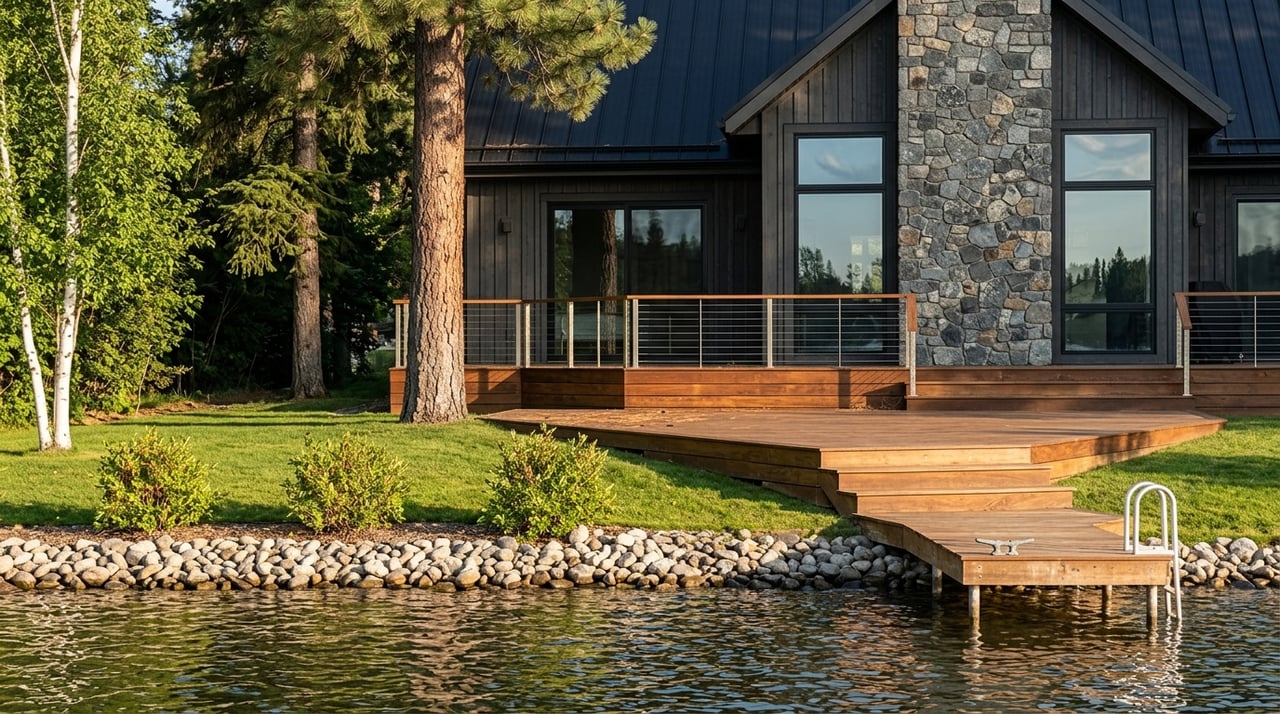
Its setting is a big part of the appeal. Harrison sits at the south end of Lake Coeur d’Alene, and the Coeur d’Alene River enters the lake at the town’s northern edge. If you are looking for lake access, scenic views, and a small-town atmosphere, Harrison delivers that in a way few places can.
Getting To Harrison And Around Town
Highway 97 Is The Main Route
Harrison is reached by Highway 97, the Lake Coeur d’Alene Scenic Byway. It is a two-lane paved winding road with few passing lanes, and the Harrison Chamber notes the town is about 28 miles south of I-90 on that route.
That matters if you are relocating from a larger metro area. A drive that looks simple on a map may feel slower in real life, especially if you are commuting, making frequent supply runs, or coordinating service appointments.
Regional Access Takes Planning
North Idaho’s tourism guide notes that Harrison is less than an hour from Coeur d’Alene. Highway 3 also connects travelers north toward I-90 and south toward St. Maries, which gives you another regional route to know.
For larger travel needs, Spokane International Airport is the region’s main commercial airport. If you travel often for work, family, or seasonal living, that drive should be part of your relocation planning.
Daily Errands Are Simpler, But Limited
In Harrison, everyday convenience looks different than it would in a suburban neighborhood. The Harrison Trading Post serves as a full-service grocery store, and the library offers free 24/7 WiFi.
The city also notes there is currently no gas service in Harrison. That one fact alone can shape how you think about errands, weekend trips, and keeping your vehicle ready for longer drives.
What Lake Living Really Means Day To Day
Summer And Winter Feel Different
Harrison’s chamber describes the town as busy on warm summer days and weekends, while winter and early spring are much quieter. The scenic byway has year-round access, but the feel of town changes with the seasons.
If you want energy, visitors, and waterfront activity, summer may be your favorite time. If you value calm and a slower pace, the quieter months may be exactly why Harrison appeals to you.
Recreation Is Built Into The Lifestyle
Harrison offers direct access to the kind of outdoor routine many buyers are searching for. The chamber highlights a marina, public beach, public docks, boat launch, lakeside campground, and free moorage at the docks for up to 48 hours.
The town also offers rentals for boats, kayaks, water toys, and stand-up paddleboards. That means you do not have to own every piece of equipment to enjoy the lake right away.
Trails And Parks Add More Options
Harrison is also a major access point for the Trail of the Coeur d’Alenes. Idaho Parks and Recreation describes it as a 73-mile paved trail stretching between Mullan and Plummer, and the Harrison Chamber says the trail runs through town between the city park and public beach.
Nearby Heyburn State Park adds even more recreation. The park includes about 5,744 acres of land and 2,332 acres of water, with boating, cabins, cottages, campsites, trails, swimming, fishing, and non-motorized rentals.
Buying A Home In Harrison
The Land Shapes The House Search
In Harrison, topography plays a major role in real estate decisions. The county hazard plan notes that residential areas step into the hillside east of town and that the city has steep slopes and water-dominated geography.
That means your home search may involve more than square footage and bedroom count. You may also need to think carefully about driveway layout, access, drainage, views, and how the site functions throughout the year.
Not Every Property Works The Same Way
Because Harrison is small and shaped by the lake and hillside, one property can live very differently from the next. A home near town may offer easy access to docks and local services, while a hillside property may bring different considerations for approach, elevation, and site use.
This is where local guidance matters. A practical relocation plan should match your lifestyle goals with how the property actually works on the ground.
Vacant Land And Remodel Plans Need Extra Homework
If you are buying land, planning a major renovation, or considering a rebuild, early due diligence is essential. The City of Harrison states that building permits are generally required for new construction, additions, repairs, renovations, alterations, moving, demolition, occupancy changes, pools, retaining walls over four feet, and fences over six feet.
The city also handles site-disturbance and excavation permits through city hall. If your move includes future improvements, it is smart to confirm permit requirements before you close, not after.
Utilities, Infrastructure, And Local Costs
Confirm Utility Details Early
Public Works manages city-owned properties and infrastructure, and the city posts water and sewer rates and fees through that department. If you are relocating from a distance, this is a reminder to verify utility details early rather than assuming a typical suburban setup.
For buyers, that can mean asking clear questions about water, sewer, service connections, and how the property is served. In a small lake community, details that seem minor can affect both budget and usability.
Harrison Has A Local Option Tax
The city uses a local option tax of 1 cent per dollar on taxable purchases within city limits. According to the city, that revenue supports infrastructure, streets, public safety, parks, and waterfront improvements.
That does not make Harrison unusual as a destination town, but it is something you should know as part of your cost picture. Small local details often matter more when you are building a full relocation budget.
Services To Consider Before You Move
Schools, Health Care, And Travel Access
Kootenai Joint School District lists Harrison Elementary and Kootenai Jr. Sr. High School. If school access is part of your relocation decision, it helps to map out travel times and routines in advance.
For medical care, Kootenai Health’s main campus is in Coeur d’Alene. For air travel, Spokane International Airport serves as the primary commercial airport for the region.
Compare Lifestyle Tradeoffs Honestly
Harrison can be a strong fit if you want lake access, a slower pace, and a small-town environment. It may be less ideal if you want a dense service pattern, quick access to many stores, or short drives for every errand.
That does not make one lifestyle better than the other. It simply means the right move depends on how you want to live every day.
A Smart Distance-Buying Checklist
Relocating to Harrison from outside the area often means making big decisions with limited time on the ground. A focused checklist can help you avoid surprises.
Key Questions To Ask
- Is the property inside Harrison city limits?
- What permits would be needed for your planned updates or future build?
- How are water, sewer, and road access handled?
- How far will you regularly drive for groceries, fuel, health care, and airport access?
- How does the property function in different seasons?
Smart Process Steps
The Consumer Financial Protection Bureau recommends getting at least three preapprovals so you can compare loan terms and costs. It also says you should review your Closing Disclosure before closing, and for most mortgages you receive it at least three business days before closing.
Before closing, buyers should also schedule the home inspection, shop for homeowner’s insurance and title insurance, and stay alert for mortgage closing scams or last-minute wire instruction changes. If you are buying from a distance, those steps become even more important because you may be coordinating travel, vendors, and signatures remotely.
Why Local Guidance Matters In Harrison
A move to Harrison is not just about finding a home with a lake view. It is about understanding access, topography, permits, services, and how the property fits the life you want to build here.
That is especially true in a market where waterfront, land, and hillside properties can come with details that are easy to miss from a listing alone. With relocation support, buyer guidance, and practical local knowledge, you can move forward with more clarity and less stress.
If you are exploring a move to Harrison and want steady, informed help with the process, The TarantoGroup Realty can help you evaluate options, navigate details, and make a confident plan.
FAQs
What is daily life like when relocating to Harrison, Idaho?
- Daily life in Harrison is centered around a small-town lake setting, with limited local services, a full-service grocery store in town, no gas service, and a pace that changes with the seasons.
What should buyers know about Harrison property before purchasing?
- Buyers should pay close attention to slope, access, drainage, views, utility setup, city-limit status, and permit requirements, especially for remodels, rebuilds, or vacant land.
What recreation options are available in Harrison?
- Harrison offers a marina, public beach, public docks, boat launch, lakeside campground, short-term free moorage, watercraft rentals, access to the Trail of the Coeur d’Alenes, and proximity to Heyburn State Park.
What services are near Harrison for health care and travel?
- Kootenai Health’s main campus is in Coeur d’Alene, and Spokane International Airport is the region’s primary commercial airport.
What should distance buyers confirm before moving to Harrison?
- Distance buyers should confirm whether a property is inside city limits, what permits may be required, how water and sewer are handled, what road access is like, and how errands and travel will work year-round.